
Why Is College So Much Harder When You're Neurodivergent?
What neurodivergent college students actually face, and how to get mental health support that genuinely fits
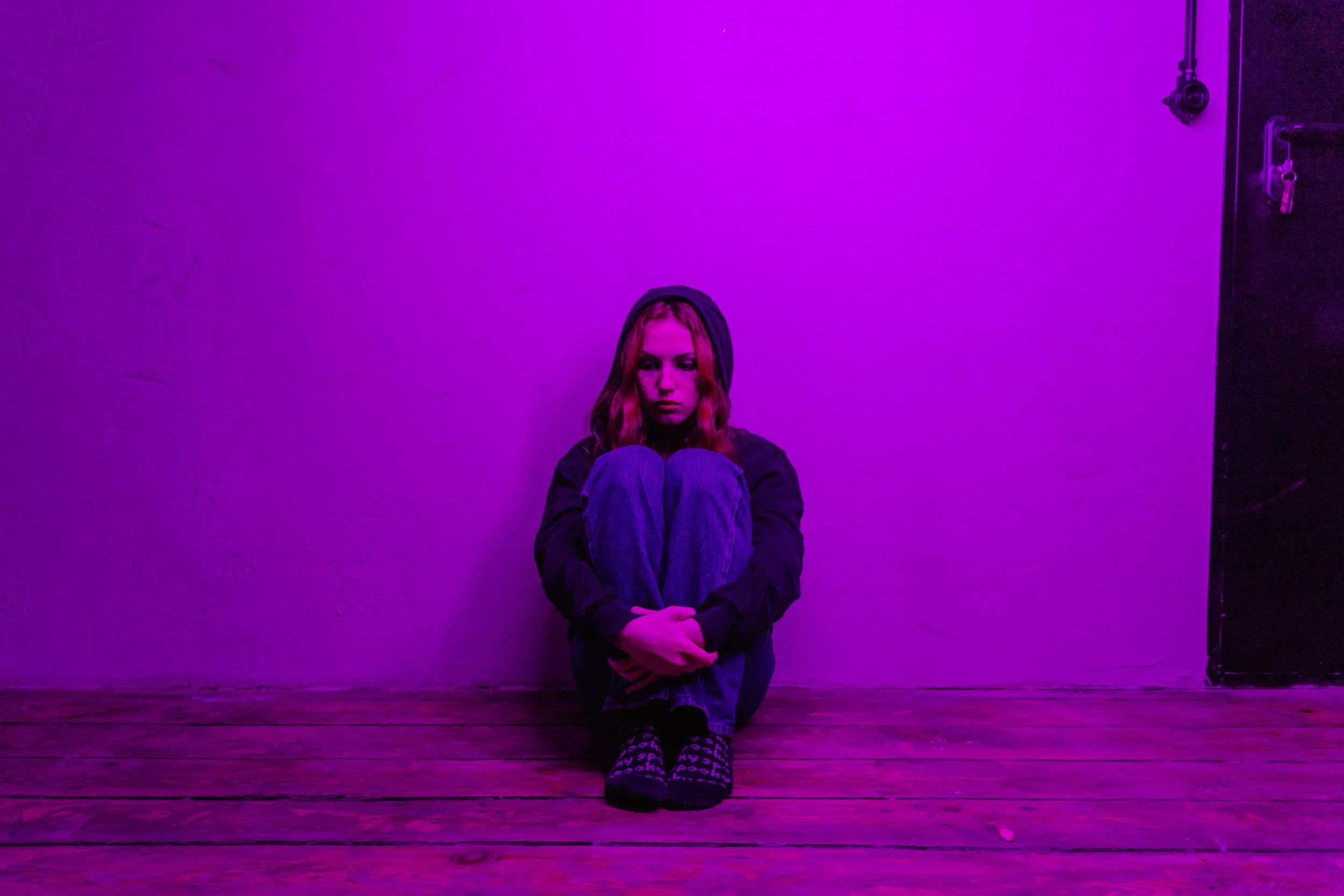
The college brochures do not mention the part where the dining hall noise becomes physically unbearable. Or where every social interaction requires a level of active mental translation that most of your peers do not seem to need. Or where the combination of new environments, unstructured time, changing routines, and high social demand lands all at once and the overwhelm is so complete that functioning feels nearly impossible.
For neurodivergent students, whether autistic, ADHD, dyslexic, or otherwise wired differently, college is a transition that the system was not designed to support well. The mental health challenges that come with it are real, significant, and often invisible to the people around you. At Semester Health, neurodivergent college students are a community we specifically work with. Here is what you need to know.
What Neurodivergent Actually Means
Neurodivergent is an umbrella term for people whose brains process information differently from what is considered neurotypical. This includes people with ADHD, autism spectrum conditions, dyslexia, dyspraxia, dyscalculia, Tourette syndrome, and related conditions. What these conditions have in common is not deficiency. It is difference, a different way of processing sensory information, social information, executive demands, and communication.
College, as an institution, is built almost entirely around neurotypical assumptions: that students will manage unstructured time independently, navigate dense social environments intuitively, tolerate high sensory load without significant disruption, and communicate in ways that match narrow norms of academic and social presentation. For neurodivergent students, each of those assumptions represents a demand that costs more to meet than it does for their neurotypical peers.
The Specific Challenges College Brings
The collapse of external structure
This challenge is shared with ADHD specifically but affects many neurodivergent students broadly. The structured routine of high school, fixed schedules, regular check-ins, predictable transitions, was doing invisible work that becomes visible only when it disappears. College requires self-generating all of that structure. For brains that rely on external scaffolding to regulate executive function, attention, and daily routine, the absence of that scaffolding is not a minor inconvenience. It is a significant functional challenge.
Sensory overload in campus environments
College environments are genuinely high-sensory: crowded dining halls, loud dormitories, fluorescent-lit classrooms, unpredictable noise and social demands at all hours. For students with sensory sensitivities, navigating these environments all day is genuinely exhausting in a way that neurotypical peers typically do not experience. The cumulative sensory load can make basic functioning feel enormously costly by the end of a day.
The social navigation tax
For autistic students and many others with social processing differences, college social life requires constant active translation. Reading unwritten social rules, managing eye contact norms, understanding subtext and implication, navigating group dynamics: these are things that neurotypical people do largely automatically and that neurodivergent people often do through deliberate, effortful processing. That effortfulness is invisible to others but creates a form of cognitive and emotional fatigue that neurotypical students rarely encounter at the same scale.
Masking and its mental health cost
Masking is the practice of camouflaging neurodivergent traits to pass as neurotypical, suppressing stimming behaviors, performing expected social scripts, hiding the effort behind the performance. Many neurodivergent students have been masking for years without fully realizing it. College, with its extended social demands and reduced private recovery time, tends to increase the masking load significantly. The mental health consequences are real: research consistently links sustained masking to higher rates of anxiety, depression, and burnout in autistic and otherwise neurodivergent people.
Masking is exhausting. Passing as neurotypical in environments that were not built for you requires ongoing effort that most people around you never see and that you rarely get credit for carrying.
The Mental Health Impact
Neurodivergent students face significantly higher rates of anxiety and depression than their neurotypical peers. Research published in Frontiers in Psychiatry in 2025 found that students with ADHD reported significantly higher levels of anxiety and more negative attitudes toward academic demands compared to non-ADHD peers. This pattern extends across neurodivergent conditions: the combination of higher environmental demands, less institutional accommodation, and the exhaustion of masking creates a mental health burden that is substantially greater than for neurotypical students.
Late diagnosis adds another layer. Many neurodivergent students arrive at college without having been identified, having spent years interpreting their differences as personal failures rather than neurological reality. The self-blame, shame, and exhaustion that accumulates from years of trying to function normally in environments not designed for your brain is significant and worth addressing directly.
Getting Support That Actually Fits
Academic accommodations
Most universities have disability services offices that provide accommodations for neurodivergent students. Extended time on exams, reduced-distraction testing environments, note-taking support, flexible attendance policies, and other accommodations are available to students with documented conditions. A formal diagnosis or documentation from a prior provider is typically required. If you have not pursued accommodations and think you might qualify, the accessibility office is the right starting point.
Finding a therapist who actually gets it
Therapy with a clinician who does not understand neurodivergence can be actively unhelpful, and sometimes harmful, if it focuses on trying to make the student more neurotypical rather than building on their strengths and addressing the real challenges. Looking specifically for therapists with experience working with neurodivergent clients, or asking explicitly about a provider's familiarity with autism and ADHD, is worth the effort.
Building environments that work for your brain
Rather than trying to function in standard college environments through willpower, identifying and building environments that reduce sensory and cognitive load is a more sustainable strategy. This might mean finding quiet study spaces, using noise-cancelling headphones, building in deliberate recovery time after high-demand social situations, and being explicit with yourself about what your nervous system actually needs rather than what you think you should be able to handle.
Processing the self-blame
Years of functioning in environments not designed for your brain often leaves behind significant self-blame and internalized deficit narratives. A therapist can help you examine those narratives, distinguish between what is genuinely yours and what is the result of a misfit between your brain and your environment, and build a more accurate and compassionate understanding of how you actually work.
You are not deficient. You are different, in an environment built for a different kind of brain. Semester Health offers virtual and in-person therapy for neurodivergent college students, with therapists who understand what you are carrying and how to work with it rather than against it.
Frequently Asked Questions
Can I get accommodations in college without a prior diagnosis?
You will typically need documentation of your condition to receive formal accommodations. However, many students seek and receive evaluations in college for the first time. Your campus disability services office can point you toward appropriate evaluation resources.
Is being neurodivergent a mental health condition?
Neurodivergence is not a mental health condition in itself. ADHD and autism are neurodevelopmental conditions. However, neurodivergent people face significantly higher rates of anxiety and depression, often as a consequence of navigating environments not designed for their brains, and those co-occurring mental health conditions are very much worth treating.
What if I was not diagnosed until college or later?
Late diagnosis is extremely common, particularly for autistic women and people of color, who are historically underdiagnosed. Getting clarity about your neurodivergence at any age opens the door to appropriate support, accommodations, and a more accurate understanding of your own patterns.
How do I find a therapist who understands neurodivergence?
Ask directly about experience with autistic clients or ADHD when inquiring about a therapist. Semester Health works with neurodivergent college students specifically. Looking for therapists who describe neurodiversity-affirming approaches is also a useful filter.
Is masking always bad?
Masking is a survival strategy and in certain contexts it makes sense. The problem is the sustained cost of doing it constantly across all environments. The goal is not to stop masking entirely but to create enough safe environments where you do not have to, which reduces the total load significantly.
Can therapy help with the exhaustion of being neurodivergent in college?
Yes. Therapy helps neurodivergent students address the self-blame and shame accumulated over years, build practical strategies for managing executive function and sensory demands, and develop a clearer, more compassionate understanding of what their brain actually needs.
