
Neurodevelopmental disorderADHD
ADHD is frequently underdiagnosed until college workloads make it impossible to ignore. Semester Health's providers offer thorough evaluation and medication management tailored to your actual life, not a textbook case.

Most students with insurance pay a $25 average copay. No insurance? Sessions start at $110.






What is ADHD?
ADHD is a neurodevelopmental condition involving inattention, hyperactivity, or impulsivity that significantly impairs daily functioning. In college students, it often shows up as difficulty focusing during lectures, poor time management, procrastination, and trouble regulating emotions under deadline pressure.
How it affects college students
Many students reach college with ADHD symptoms that were masked by high school structure — a fixed schedule, parental oversight, smaller classes. College removes that scaffolding all at once, and symptoms that were manageable before suddenly aren't. It's also common for ADHD to be misattributed to anxiety, laziness, or "just needing to try harder," leaving students without a diagnosis until their coursework makes it undeniable.

Our treatment approach
Semester Health provides ADHD evaluation and medication management, including stimulant and non-stimulant options, based on your full history and any co-occurring conditions. We assess what actually fits your life — your class schedule, your health history, and your goals — not a one-size-fits-all prescription.
How Semester Health works
Getting started at Semester health is easy and personalized.
Book a free 15-minute consult
Tell us a little about yourself — no pressure, no commitment. Just a conversation.
Meet your provider
Connect with a licensed therapist or psychiatric provider via video or in person in Texas.
Attend regular sessions
Flexible, personalized care tailored to your life and your semester.

The people behind your care
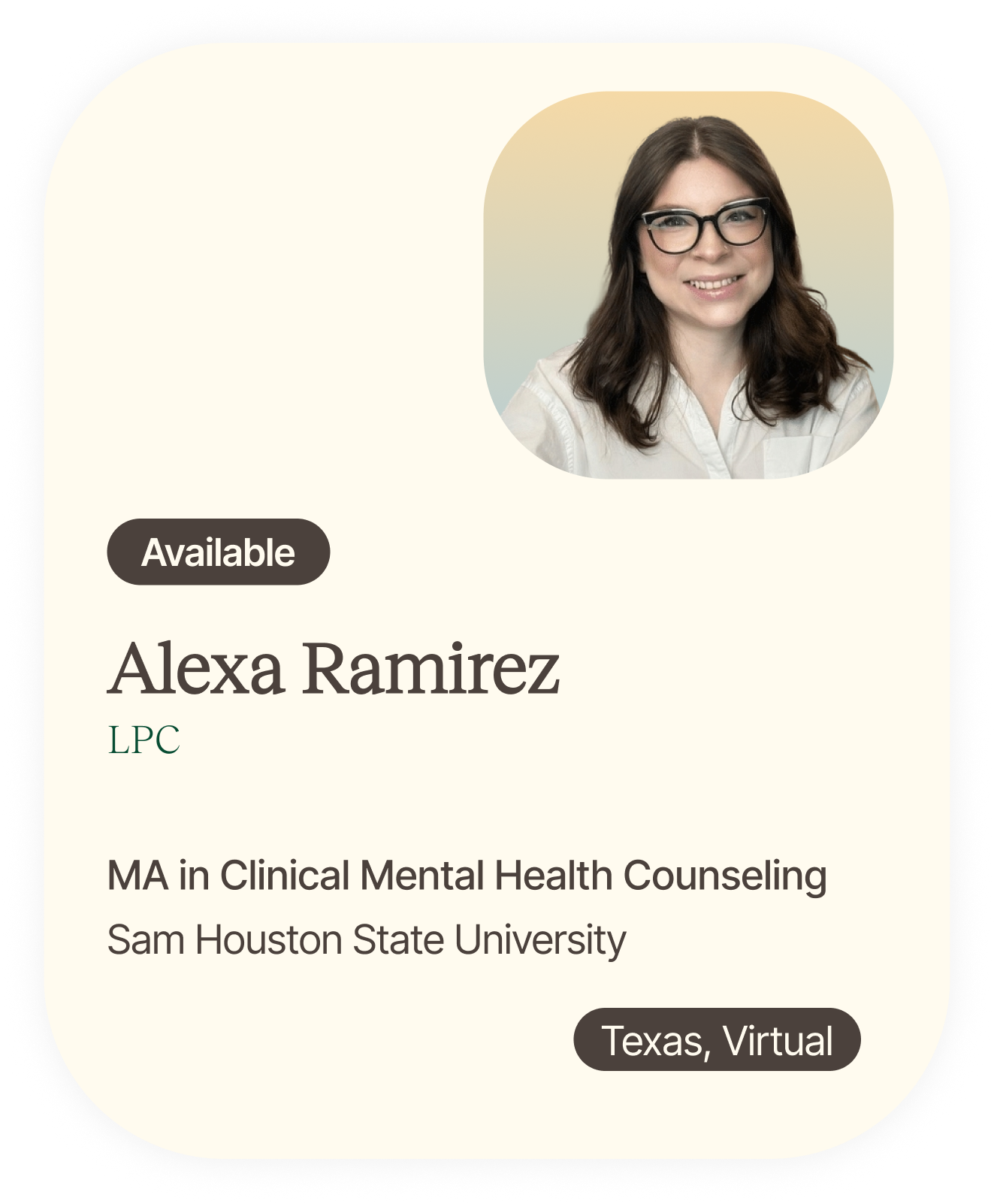
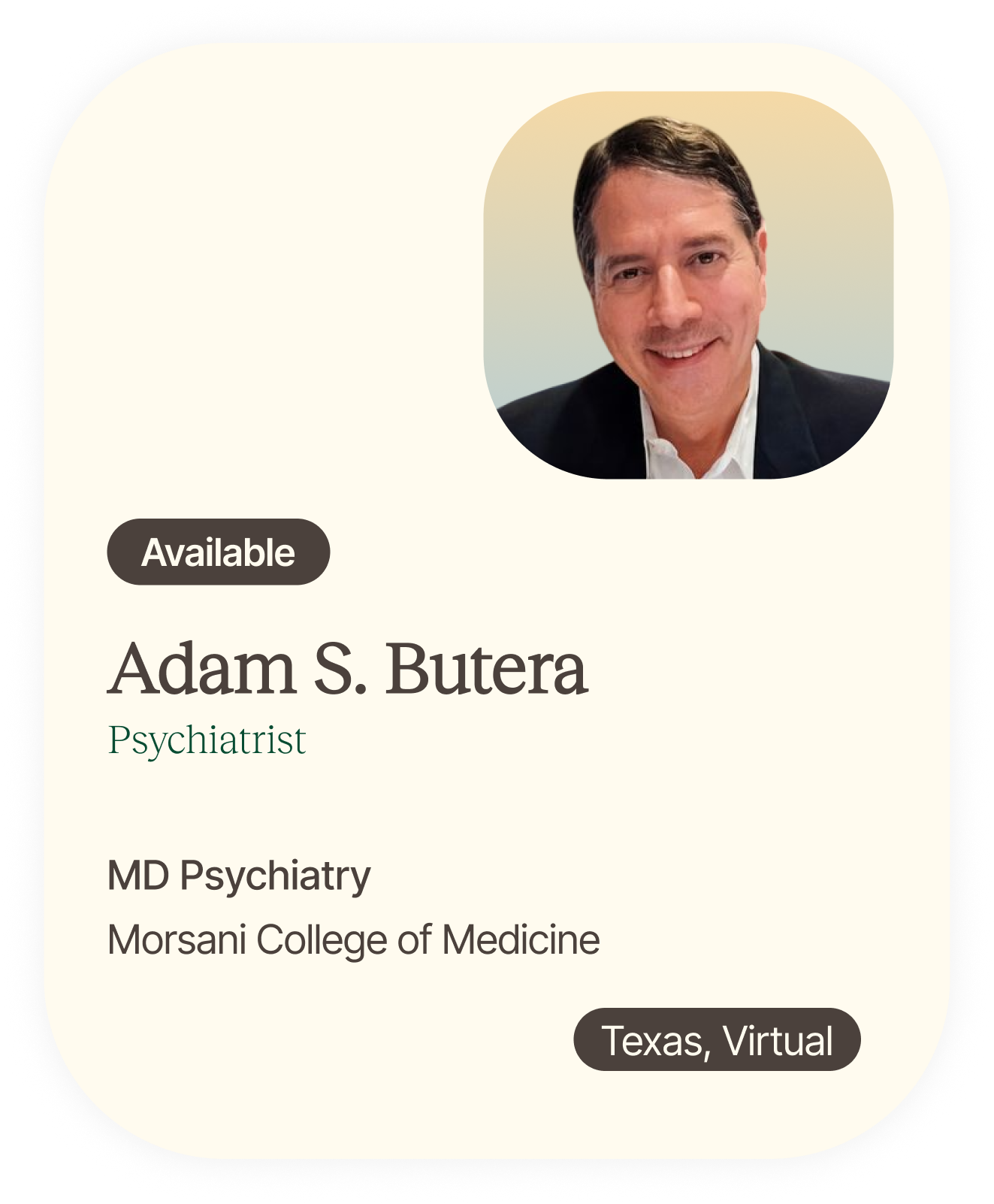
We connect you with a carefully curated network of psychiatrists vetted for clinical excellence and exceptional patient experience. With a wide range of specialties, backgrounds, and approaches, you’ll find a provider who understands your individual needs and can create a medication management plan tailored to you.
Your insurance questions, answered.
-
Yes — it's common for ADHD to go unnoticed until the structure of high school is gone and the workload increases.
-
Your provider will review your history, symptoms, and how they've affected your functioning over time, sometimes alongside standardized questionnaires.
-
ADHD symptoms are persistent, appear across multiple areas of life (not just when a task is boring), and significantly impair daily functioning — not just occasional distraction.
-
Stimulants are effective and well-studied, but require careful evaluation and ongoing monitoring given their potential for misuse — your provider will discuss the full picture with you.
-
Non-stimulant options like atomoxetine, bupropion, and guanfacine are available and effective for many people.
-
Not always — many providers can diagnose based on a clinical evaluation, though testing may be recommended in some cases.
-
Medication can help manage core symptoms, but your provider will work with you to build a full plan — medication is often one part of a broader approach, not a guarantee.
-
Yes — evaluation and medication management are available virtually anywhere in Texas, or in person in Austin and Houston.