
Anxiety disorder Anxiety
Anxiety is one of the most common — and most treatable — concerns we see in college students. Get evidence-based care from providers who understand what it's like to carry it through exams, deadlines, and everything else.

Most students with insurance pay a $25 average copay. No insurance? Sessions start at $110.






What is anxiety?
Anxiety is persistent worry, racing thoughts, and physical symptoms like a racing heart or tight chest, that interfere with daily life. It can show up as generalized worry, panic attacks, or hypervigilance that makes ordinary situations feel high-stakes.
How it affects college students
Anxiety in college students is often dismissed as normal stress — but constant worry, avoidance of classes or social situations, and physical symptoms that don't ease up are signals worth addressing. Academic pressure, financial stress, and a newly independent routine can all intensify symptoms that might have been manageable before.

Our treatment approach
Our providers combine talk therapy with medication management when appropriate, giving you practical tools for the moment (a panic attack before an exam) alongside longer-term strategies. Your therapist and psychiatric provider coordinate care so you're not repeating your story twice.
How Semester Health works
Getting started at Semester health is easy and personalized.
Book a free 15-minute consult
Tell us a little about yourself — no pressure, no commitment. Just a conversation.
Meet your provider
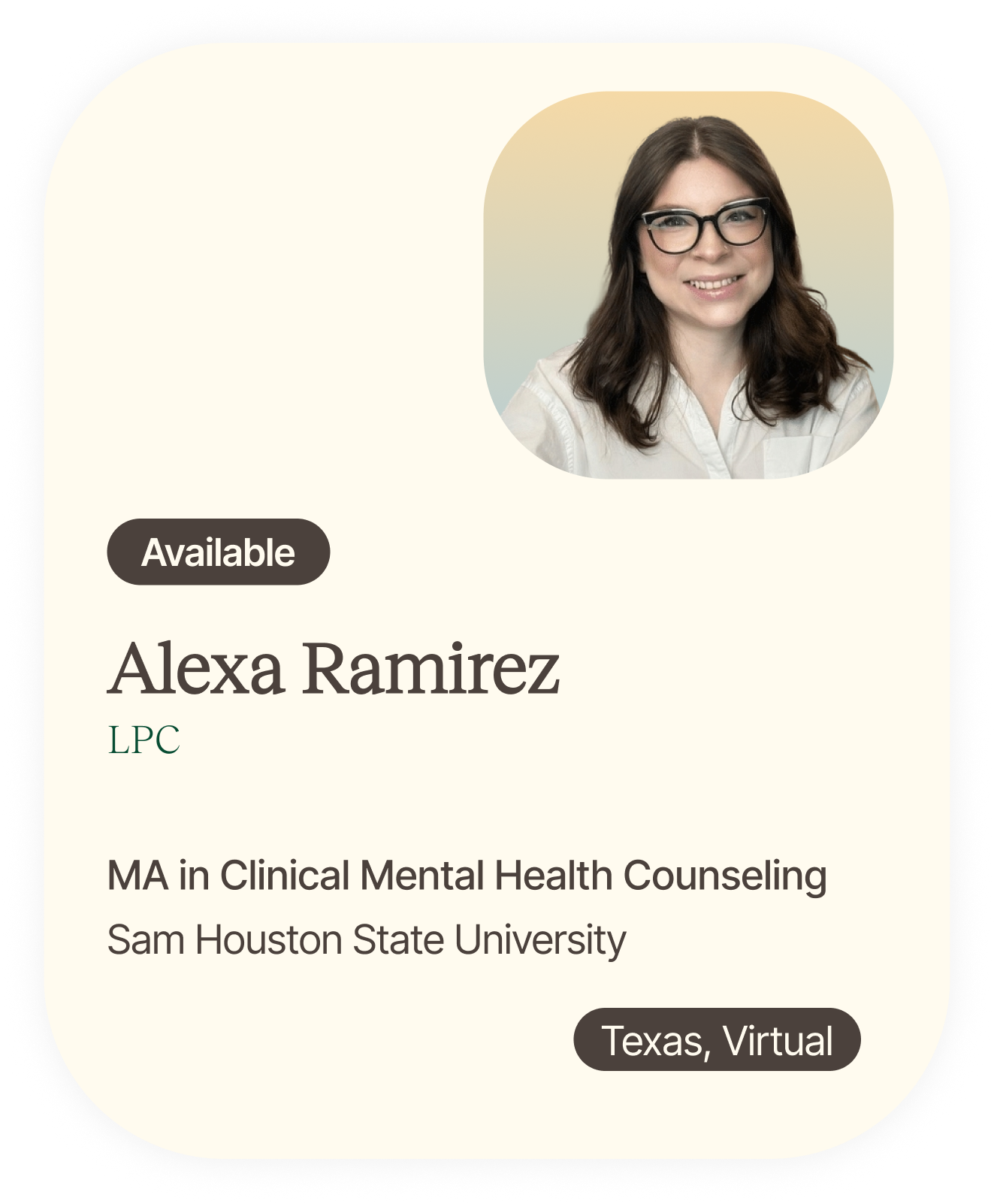
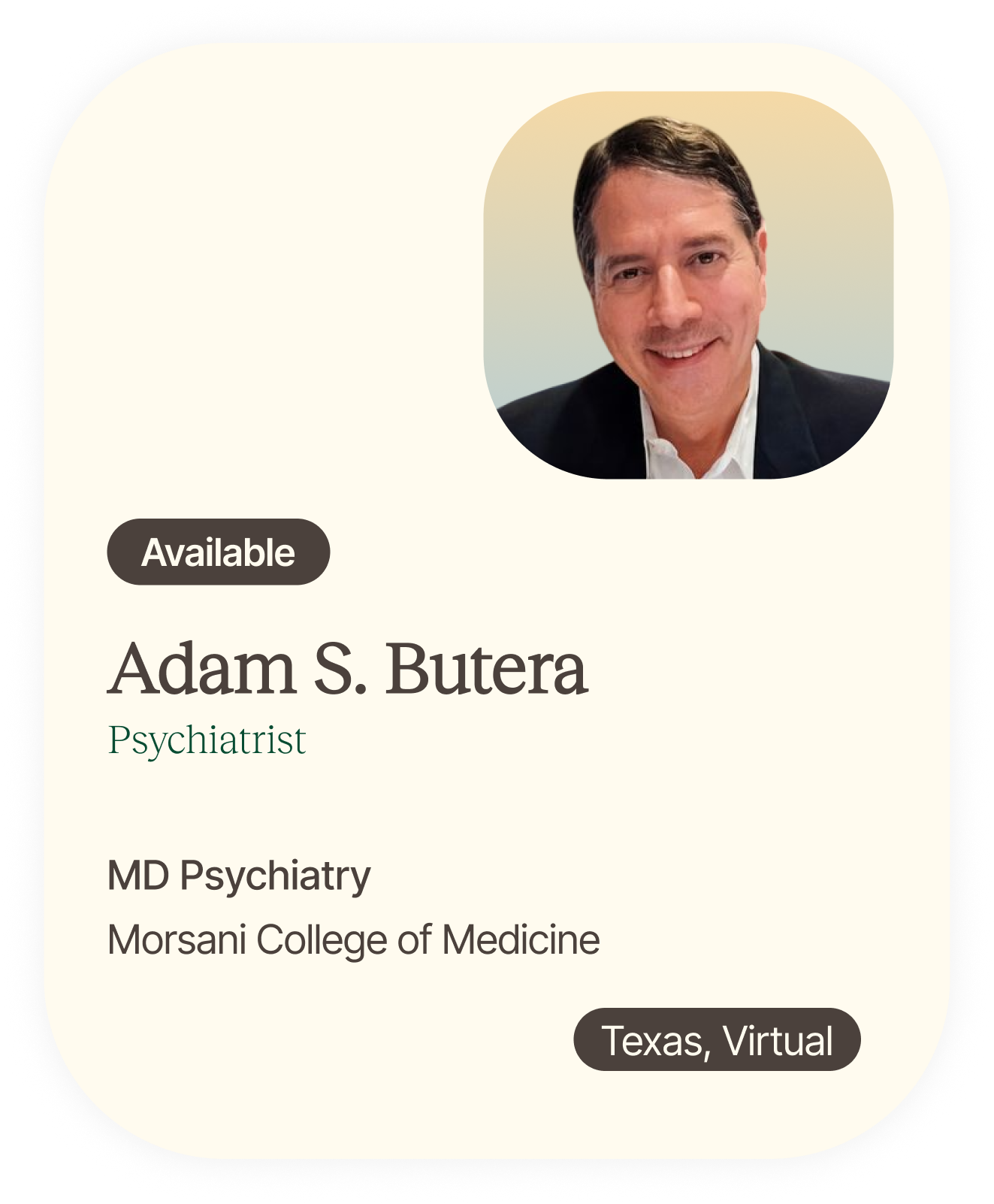
Connect with a licensed therapist or psychiatric provider via video or in person in Texas.
Attend regular sessions
Flexible, personalized care tailored to your life and your semester.

The people behind your care
We connect you with a carefully curated network of psychiatrists vetted for clinical excellence and exceptional patient experience. With a wide range of specialties, backgrounds, and approaches, you’ll find a provider who understands your individual needs and can create a medication management plan tailored to you.
Your insurance questions, answered.
-
Yes — it's one of the most common concerns we treat, often intensified by academic pressure, financial stress, and being away from home support systems for the first time.
-
Stress usually eases once the source passes. An anxiety disorder involves persistent worry, physical symptoms, or avoidance that continues even without an immediate trigger.
-
Yes, for many people medication is an effective part of treatment, often combined with therapy for the best results.
-
It depends on the person and severity of symptoms — your provider will talk through both options and build a plan around what you actually need.
-
Therapy techniques can offer relief within a few sessions; medication typically takes a few weeks to show full effect. Your provider will track progress with you along the way.
-
Yes — racing heart, chest tightness, nausea, and trouble sleeping are all common physical symptoms of anxiety.
-
Yes, sessions are HIPAA-compliant and confidential.
-
Yes — both therapy and medication management are available virtually anywhere in Texas, or in person in Austin and Houston.