
Mood disorderDepression
Depression is one of the most treatable conditions affecting college students. Get evidence-based therapy and medication management from providers who understand what it's like to carry it through a full course load.

Most students with insurance pay a $25 average copay. No insurance? Sessions start at $110.






What is depression?
Depression is a medical condition causing persistent low mood, fatigue, sleep changes, and loss of interest in things that used to matter to you. For college students, academic pressure and a newly unstructured routine often make symptoms harder to catch early — providers without student-specific context can miss it.
How it affects college students
Depression in college students often gets written off as "just stress" or "everyone feels like this during finals." But persistent low mood, missed classes, and losing interest in things you used to enjoy are signals worth taking seriously — especially with disrupted sleep, isolation from home support systems, and academic pressure compounding symptoms.

Our treatment approach
Our providers combine talk therapy with medication management when appropriate, coordinating between your therapist and psychiatric provider so you're not repeating your story to two different people. Treatment plans account for your actual schedule — classes, exams, and everything in between.
How Semester Health works:
Getting started at Semester health is easy and personalized.
Book a free 15-minute consult
Tell us a little about yourself — no pressure, no commitment. Just a conversation.
Meet your provider
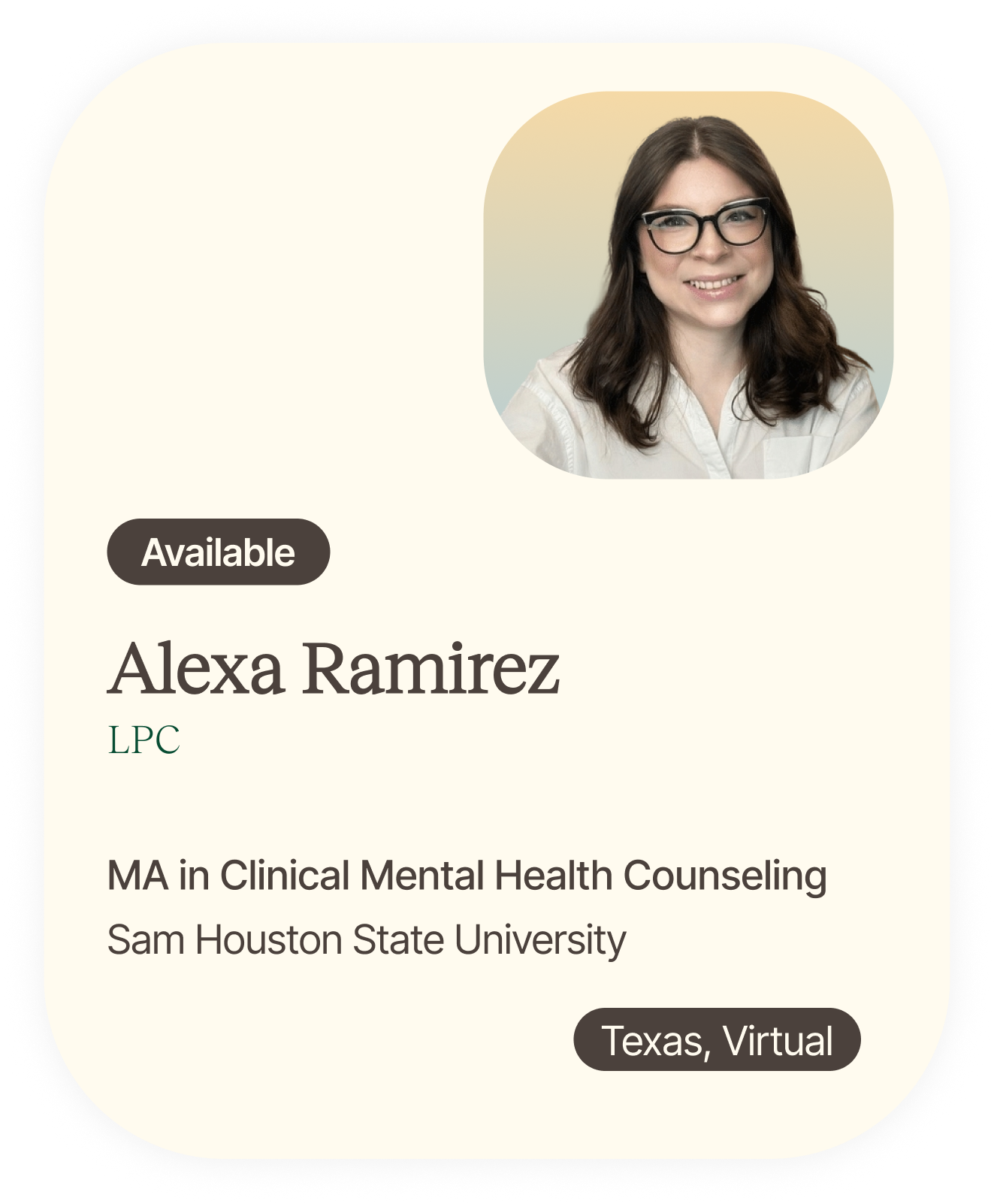
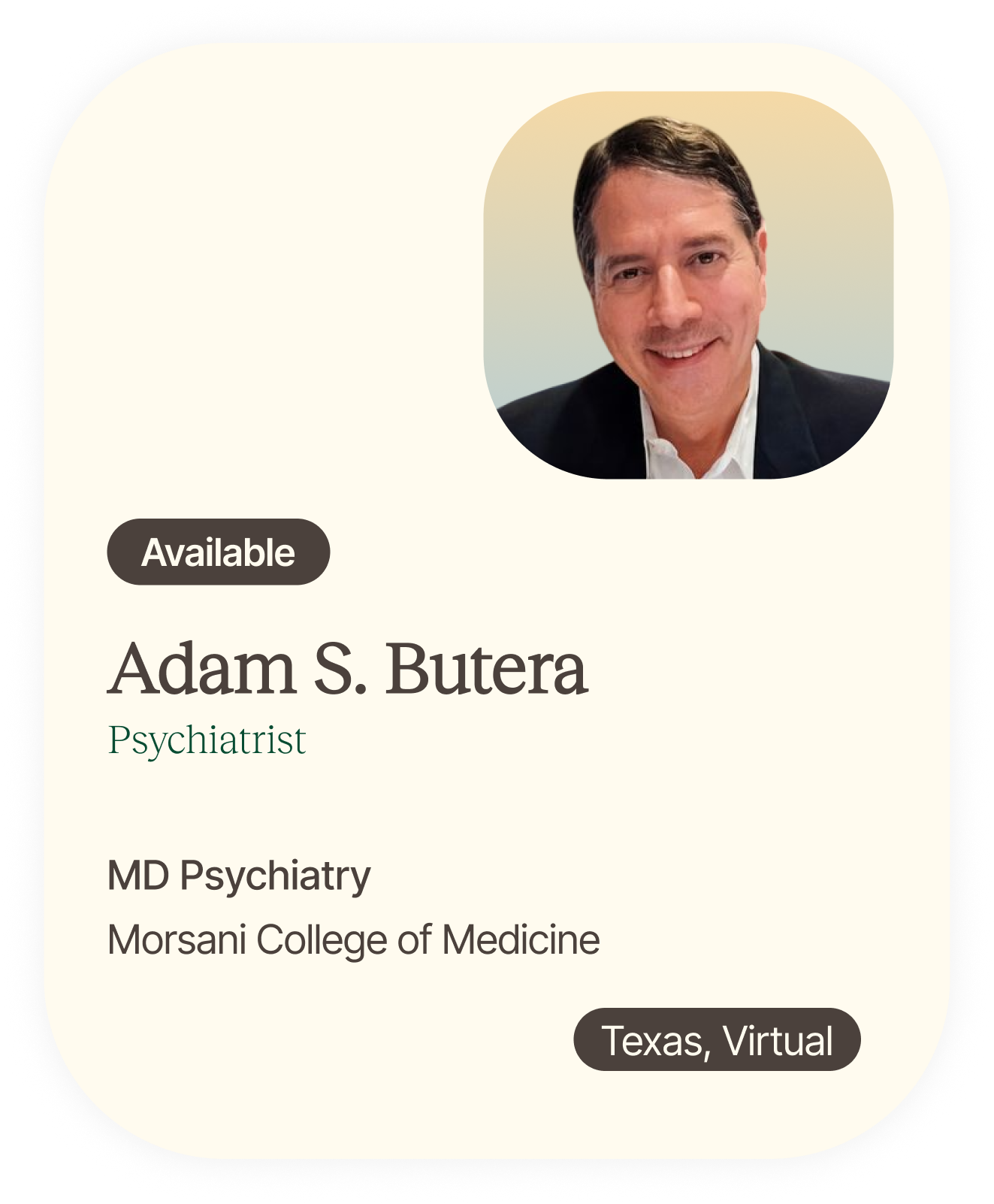
Connect with a licensed therapist or psychiatric provider via video or in person in Texas.
Attend regular sessions
Flexible, personalized care tailored to your life and your semester.

The people behind your care
We connect you with a carefully curated network of psychiatrists vetted for clinical excellence and exceptional patient experience. With a wide range of specialties, backgrounds, and approaches, you’ll find a provider who understands your individual needs and can create a medication management plan tailored to you.
Your insurance questions, answered.
-
Yes — it's one of the most common concerns we see, often triggered or worsened by academic pressure, isolation, and the transition out of a structured home environment.
-
Stress usually eases once the source (an exam, a deadline) passes. Depression persists — low mood, fatigue, and loss of interest continue even when the pressure lifts.
-
Yes, for many people medication is an effective part of treatment, often combined with therapy for the best results.
-
There are many medication options and combinations — your provider will review what you've tried and adjust from there.
-
It varies by person. Many students notice improvement within a few weeks of starting treatment, with ongoing care adjusted over time.
-
Not required, but combining both often leads to better outcomes — our therapists and prescribers coordinate care if you choose both.
-
Yes, sessions are HIPAA-compliant and confidential.
-
Yes — both therapy and medication management are available virtually anywhere in Texas, or in person in Austin and Houston.