
Anxiety disorderSocial anxiety
When ordinary parts of campus life — a seminar, a party, the dining hall — start to feel high-stakes, that's social anxiety, and it's treatable. Get support from providers who understand what it's actually like to navigate college socially.

Most students with insurance pay a $25 average copay. No insurance? Sessions start at $110.






What is social anxiety?
Social anxiety is intense fear of judgment or embarrassment in social situations, strong enough to cause avoidance or significant distress. It's more than shyness — it can involve physical symptoms (racing heart, sweating, nausea) and a persistent fear of being watched or evaluated.
How it affects college students
College is an unusually social environment — group projects, dorm life, parties, dining halls, class participation — which can make social anxiety feel unavoidable rather than something you can quietly work around. Students with social anxiety often skip classes with participation requirements, avoid dining halls at busy hours, or turn down invitations that could otherwise build real friendships.

Our treatment approach
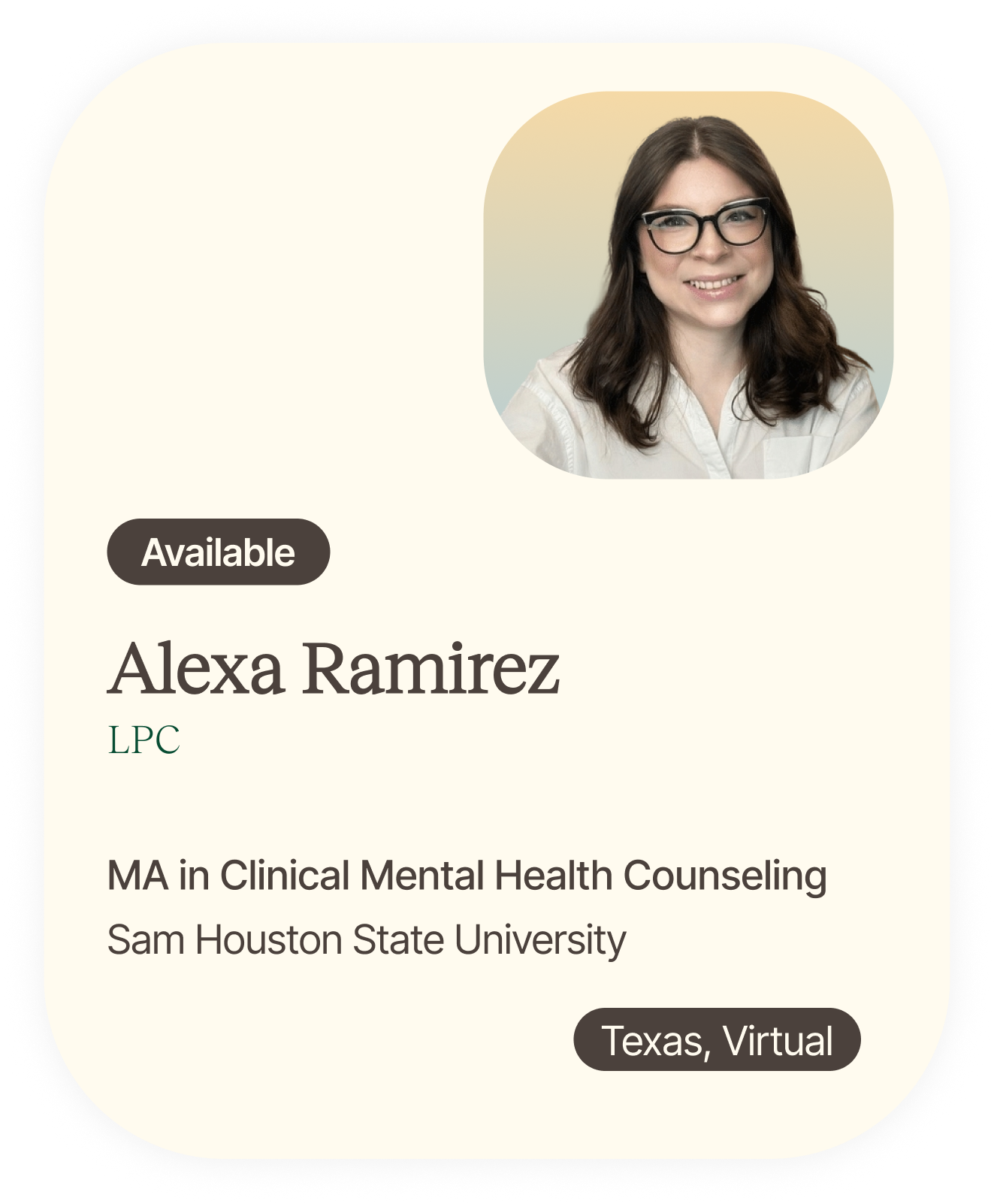
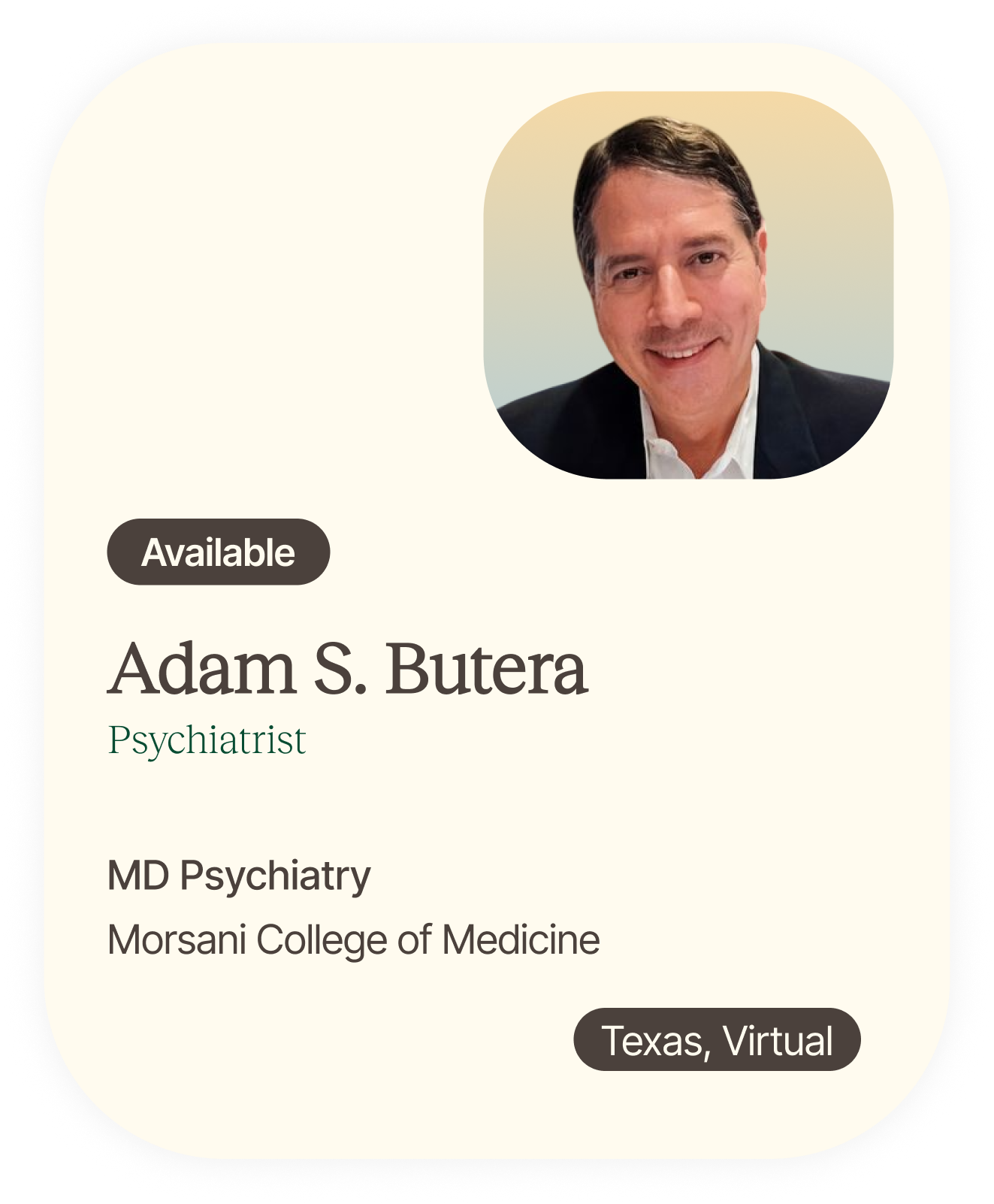
Our therapists use evidence-based approaches to help you build tolerance for social situations gradually, challenge the thoughts driving the fear, and develop practical tools for the moments that feel hardest. Medication management is available if symptoms are significant enough to warrant it, coordinated with your therapist.
How Semester Health works
Getting started at Semester health is easy and personalized.
Book a free 15-minute consult
Tell us a little about yourself — no pressure, no commitment. Just a conversation.
Meet your provider
Connect with a licensed therapist or psychiatric provider via video or in person in Texas.
Attend regular sessions
Flexible, personalized care tailored to your life and your semester.

The people behind your care
We connect you with a carefully curated network of psychiatrists vetted for clinical excellence and exceptional patient experience. With a wide range of specialties, backgrounds, and approaches, you’ll find a provider who understands your individual needs and can create a medication management plan tailored to you.
Your insurance questions, answered.
-
No — introversion is a personality trait, not a source of distress. Social anxiety involves fear and avoidance that gets in the way of things you'd otherwise want to do.
-
Very common, especially in the first year, when nearly every social interaction is with someone new.
-
Yes — avoiding class participation, group projects, or office hours because of social anxiety can have a real academic impact, which is part of why treating it early matters.
-
Therapy alone is effective for many people. Medication is an option if symptoms are more severe or if therapy alone isn't providing enough relief — your provider will help you figure out what fits.
-
No — treatment moves at a pace that works for you. Many approaches start with smaller, more manageable steps before working up to harder situations.
-
Yes, that's a common and specific focus area in social anxiety treatment.
-
Yes, sessions are HIPAA-compliant and confidential.
-
Yes — evaluation and medication management are available virtually anywhere in Texas, or in person in Austin and Houston.