
Swiping Right Is Supposed to Help You Connect. Here Is Why It Might Be Doing the Opposite.
What dating apps are actually doing to the mental health and self-worth of college students, and how to use them without letting them use you
You opened the app because you wanted to meet someone. Or because you were bored. Or because everyone else seemed to be using it and you wondered what you were missing. And somewhere between the first hour and the tenth time this week, something shifted. The matches that did not come felt personal. The conversation that went nowhere felt like evidence. The profile you spent twenty minutes editing feels like a sales pitch that is not selling.
Dating apps are one of the primary ways college students meet potential partners today, and they also represent one of the most quietly damaging digital environments for self-worth and mental health in this age group. Understanding why requires looking at what these platforms are actually designed to do, which is not the same as what they are marketed to do.
At Semester Health, dating app-related anxiety, rejection sensitivity, and self-worth struggles come up regularly in sessions with college students. It is worth understanding what is happening so you can use these tools differently, or decide whether using them at all is serving you.
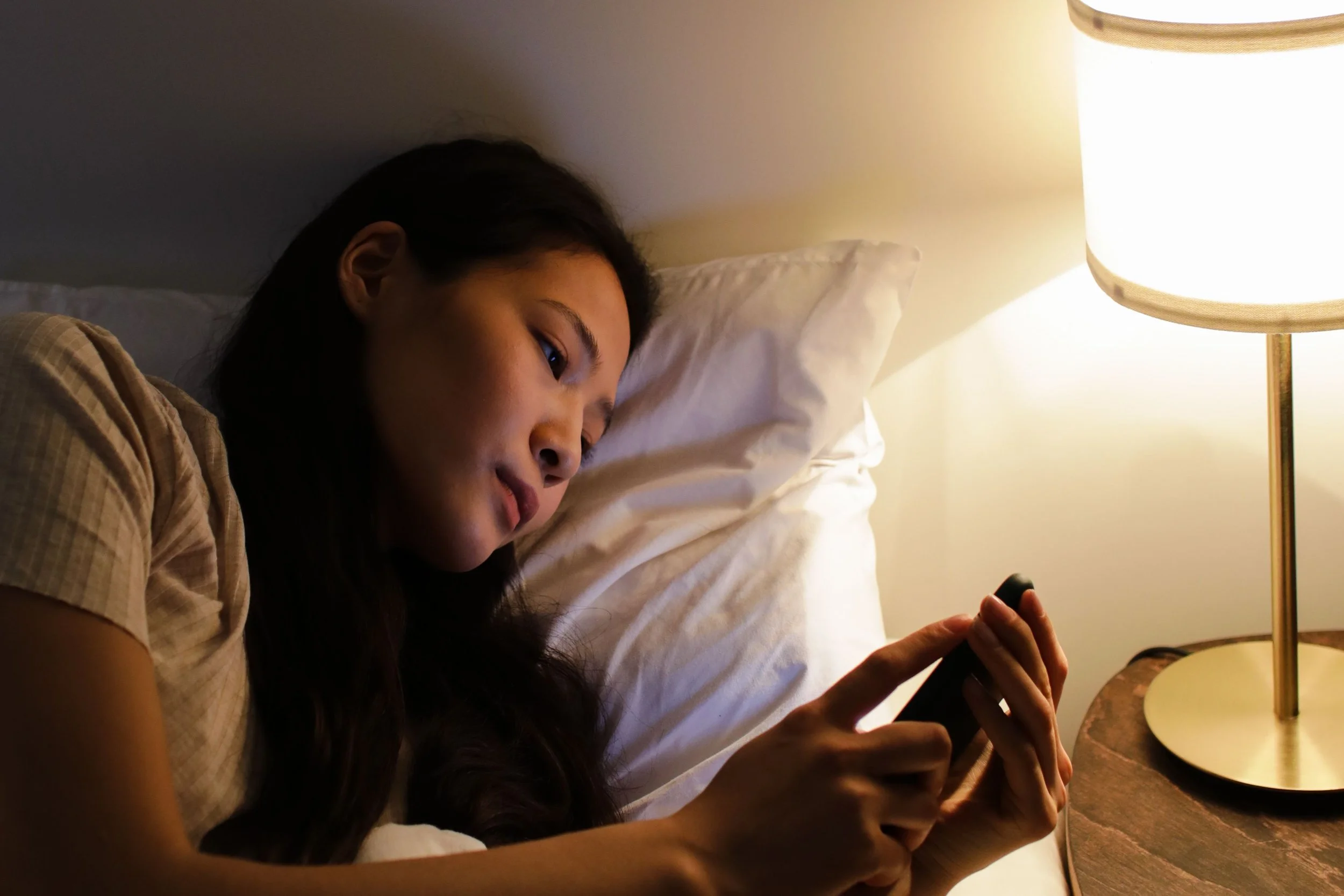
What Dating Apps Are Actually Designed to Do
Dating apps are not primarily designed to help you find a relationship. They are primarily designed to keep you engaged with the platform as long and as frequently as possible, because engagement is what generates revenue. The mechanics that accomplish this, swiping, matching, notifications, the dopamine hit of a new match, are borrowed directly from the same variable-reward psychology that makes slot machines hard to walk away from.
Research from the Journal of Social and Personal Relationships examining dating app use and wellbeing found that higher dating app use was associated with lower self-esteem, higher body dissatisfaction, and more negative affect in college-aged users. The study also found that these effects were more pronounced in users who perceived their app experience as primarily negative, which includes most people who are not getting the matches or responses they hoped for.
The design of most dating apps also systematically filters for visual appeal over compatibility and personality, which means the product you are presenting is necessarily a reduced, curated version of yourself. The rejection you experience on a dating app is not rejection of you. It is rejection of a carefully edited set of photos by someone making a split-second visual judgment. That distinction sounds obvious but does not feel obvious when you are processing the third week of minimal matches.
What Dating Apps Do to Self-Worth
Gamification of desirability
Dating apps quantify your attractiveness in ways that are both relentless and arbitrary. Match rates, response rates, and the implicit feedback of who swipes right are numbers your brain registers and processes as information about your value. They are not. They are products of algorithm, timing, photo quality, geographic density, and platform design choices that have nothing to do with what you are actually like as a person or a partner. But that rational understanding does not prevent the emotional impact of the data.
Rejection sensitivity escalation
Rejection sensitivity, the tendency to expect, perceive, and react intensely to rejection, is a documented dimension of anxiety that dating apps systematically amplify. Every unmatched right swipe, every conversation that stops mid-thread, every match that goes nowhere is a small rejection event. Most of these happen multiple times per day. The cumulative effect of that much low-level rejection is a measurable increase in rejection sensitivity over time, which spills over into how you interpret social cues in non-app contexts as well.
Performance anxiety around profile and conversation
Dating apps turn the beginning of potential romantic connection into a performance with high perceived stakes and immediate, quantified feedback. For students who already struggle with perfectionism, social anxiety, or fear of negative evaluation, this format is specifically activating. The anxiety about crafting the right opening message, choosing the right photos, and presenting the right version of yourself displaces the actual experience of getting to know someone.
When App Dating Becomes a Mental Health Issue
Dating apps become a mental health issue when they are producing consistent negative emotional outcomes and you are continuing to use them anyway. Signs that the pattern has crossed that line:
Mood is significantly affected by daily match rates and conversation outcomes
You spend significant time each day reviewing and updating your profile despite consistent dissatisfaction with results
Rejection from app interactions is affecting your confidence in non-app social situations
Using the apps compulsively, checking multiple times per hour, without feeling better for having done so
The apps are making you feel worse about your appearance, desirability, or worth on a regular basis
Dating app metrics are not feedback about who you are. They are feedback about your photos in your geographic area on a particular platform on a particular day. Treating them as the former is the mechanism that produces the mental health damage.
What Actually Helps
Set specific usage limits rather than unlimited access
Fifteen to twenty minutes of intentional app use per day produces less psychological damage than the same total time spread across compulsive checking behaviors. Using your phone's built-in time limits for dating apps removes the in-the-moment decision to stop and protects against the compulsive use patterns that cause most of the mental health harm.
Separate app outcomes from self-assessment
The practice that most directly interrupts the mechanism of app-based self-worth damage is deliberately and repeatedly making the connection between app outcome and self-worth explicit rather than automatic. When you notice a match rate or response pattern triggering a self-assessment, naming what is happening, this is a response to a photo selection on an algorithm-driven platform, is more useful than trying to not care about it.
Consider whether the platform is serving you
Not everyone benefits from dating apps. Many college students meet more compatible people through shared activities, classes, friend networks, and campus organizations. If apps are consistently producing more anxiety and self-doubt than actual connection, that is meaningful information about whether they are the right tool for what you are looking for.
Address the underlying anxiety
If rejection sensitivity, low self-worth, or social anxiety predate the dating apps, the apps are amplifying existing patterns rather than causing them. Addressing those patterns in therapy tends to change the relationship with dating apps as a downstream effect.
If dating app use has been significantly affecting your self-worth or your anxiety levels, Semester Health offers therapy for college students on exactly these patterns.
Frequently Asked Questions
Is it normal to feel bad about yourself after using dating apps?
Yes, and it is very common. Research consistently finds that dating app use is associated with lower self-esteem and more negative affect in college-aged users, particularly in those who perceive their experience as mostly negative.
Why do dating apps feel addictive?
They use the same variable-reward mechanics as slot machines: unpredictable positive feedback that keeps you checking. The occasional match or message provides enough positive reinforcement to maintain the behavior despite the much more frequent absence of positive feedback.
Should I delete my dating apps?
If they are consistently producing negative emotional outcomes and you are continuing to use them compulsively anyway, a break is worth trying. Many students report significant improvement in self-worth and mood within a week or two of stepping away from apps.
How do I meet people in college without dating apps?
Repeated contact in shared contexts, classes, clubs, study groups, campus organizations, and friend-of-friend introductions, tends to produce more compatible connections than apps do, partly because it filters for shared interests and allows for genuine personality to emerge before appearance does.
Can therapy help with dating anxiety?
Yes. Dating anxiety, rejection sensitivity, and the self-worth issues that dating apps amplify are all directly addressable in therapy. CBT is particularly effective for the cognitive patterns involved.
Is it okay to take breaks from dating apps?
Absolutely. Many people take periodic breaks from dating apps and report improved mental health, better perspective on what they are looking for, and more genuine engagement when they return.
