
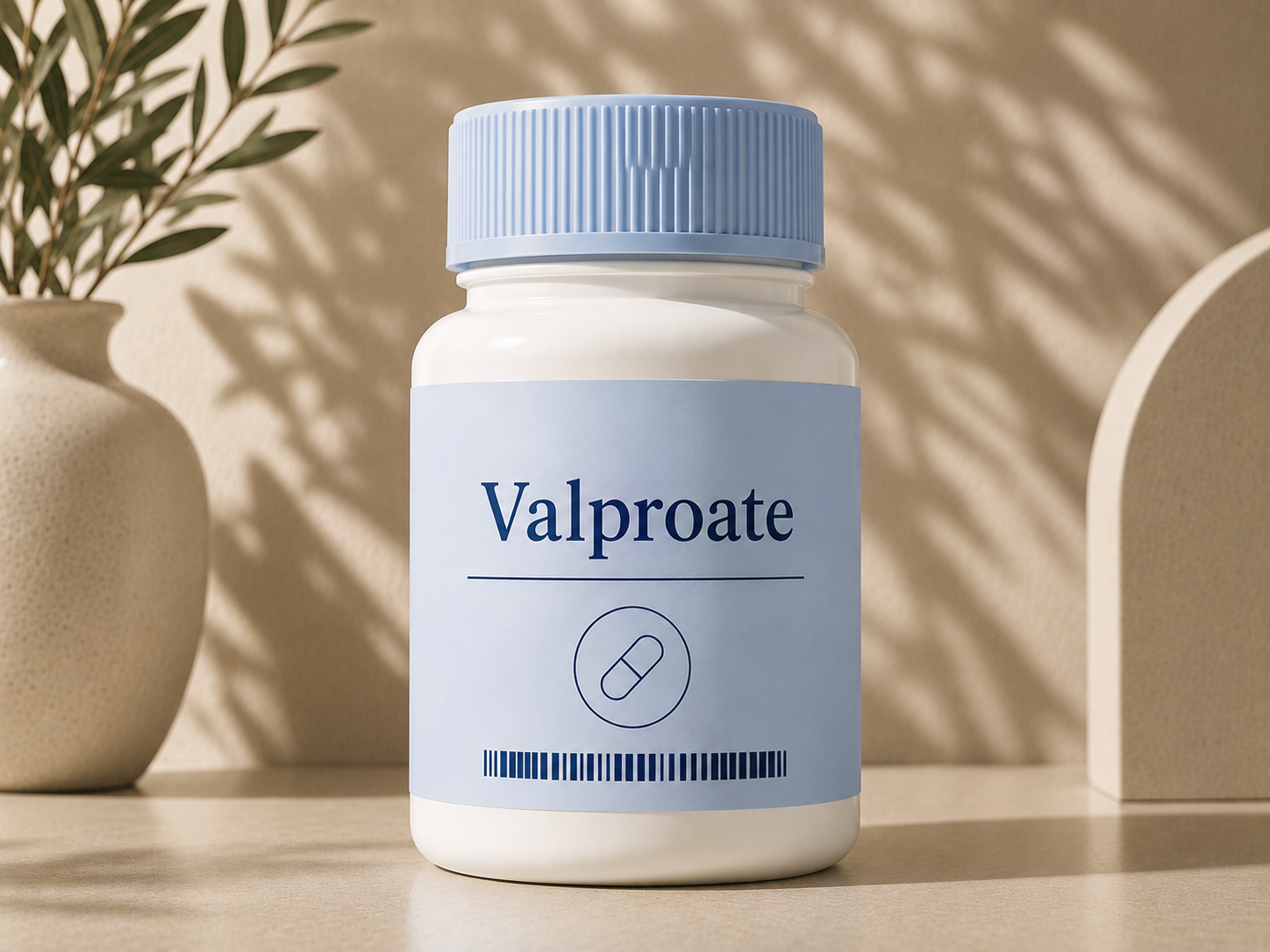
Depakote
(Valproate)
Depakote is a mood stabiliser effective for both the manic and depressive phases of bipolar disorder. It has a long history of use in neurology and psychiatry and is also prescribed for epilepsy and migraine prevention.
Most students with insurance pay a $25 average copay. No insurance? Sessions start at $110.






Depakote works by increasing levels of GABA — a calming neurotransmitter — in the brain. Its active ingredient, valproate, is particularly strong for treating acute mania and preventing future episodes, though it carries important risks, especially for people who may become pregnant.
How Semester Health works
Getting started at Semester health is easy and personalized.
Book a free 15-minute consult
Tell us a little about yourself — no pressure, no commitment. Just a conversation.
Meet your provider
Connect with a licensed therapist or psychiatric provider via video or in person in Texas.
Attend regular sessions
Flexible, personalized care tailored to your life and your semester.

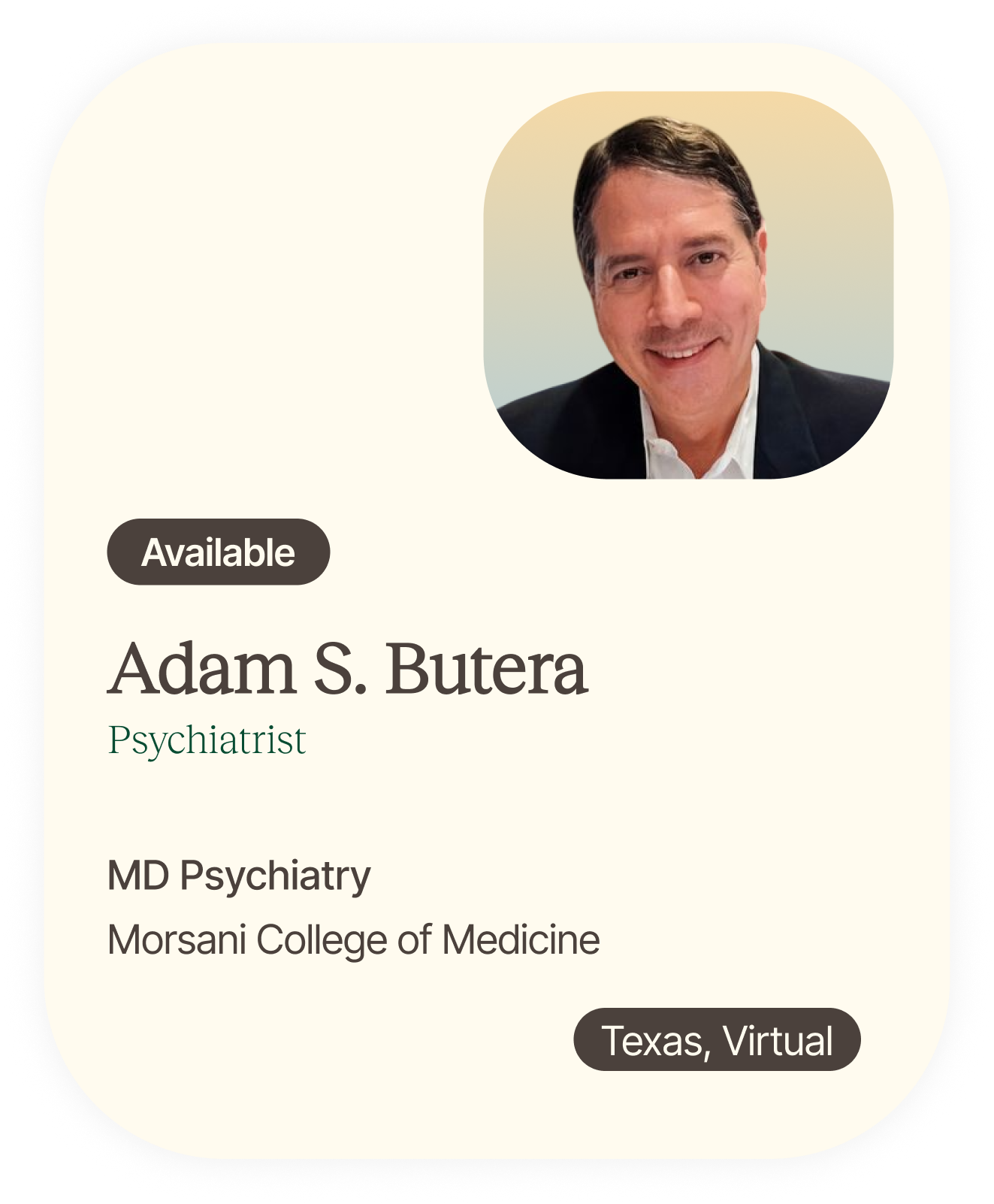
The people behind your care
We connect you with a carefully curated network of psychiatrists vetted for clinical excellence and exceptional patient experience. With a wide range of specialties, backgrounds, and approaches, you’ll find a provider who understands your individual needs and can create a medication management plan tailored to you.

Your insurance questions, answered.
-
Depakote (valproate) is FDA-approved for bipolar disorder (manic episodes), epilepsy, and migraine prevention. It is also commonly used off-label for other seizure disorders.
-
Depakote carries a significant risk of birth defects and developmental problems in babies exposed in utero. It should not be used by people who may become pregnant without a thorough risk discussion with their doctor.
-
Weight gain, tremor, hair loss, nausea, and fatigue are the most common. Liver function and platelet counts should be monitored regularly.
-
Depakote is metabolised by the liver and can, rarely, cause liver damage. Routine liver function tests are part of safe monitoring.
-
Yes — weight gain is one of the most common concerns with Depakote. Diet and activity adjustments may help, and your psychiatrist can discuss alternatives if this becomes a significant problem.
-
Depakote works relatively quickly — significant improvement in acute mania is often seen within 1–2 weeks, which makes it useful in acute settings.
-
No — alcohol significantly increases the risk of liver damage and can worsen side effects. Avoid alcohol while on Depakote.
-
Book a free consult at Semester Health. Our psychiatrists will assess whether Depakote is appropriate and discuss all risks and monitoring requirements with you.