
Klonopin
(Clonazepam)
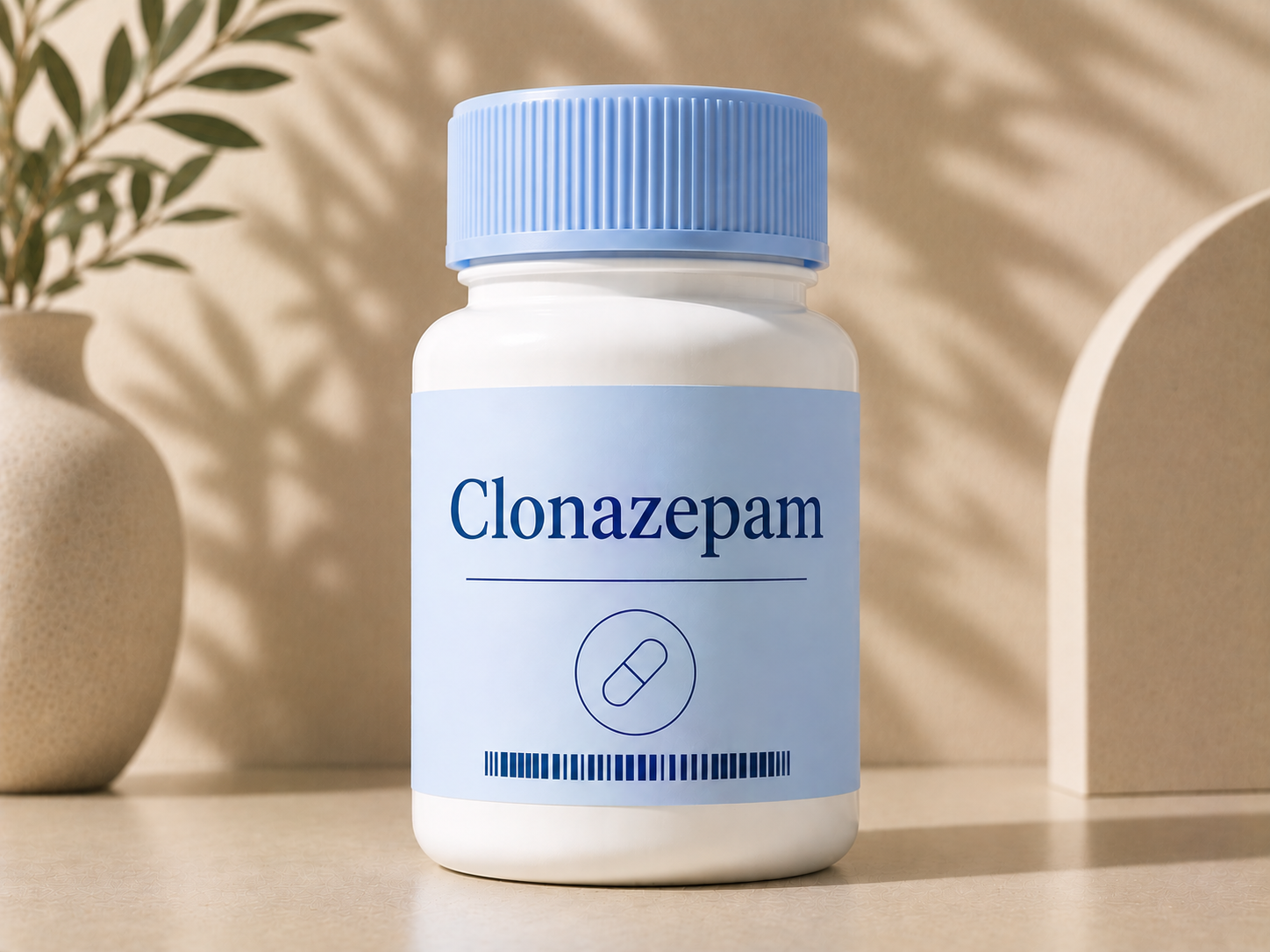
Klonopin is a long-acting benzodiazepine used for panic disorder, certain seizure disorders, and anxiety. Its longer duration of action compared to shorter-acting benzodiazepines makes it effective for ongoing anxiety management, though dependence risk still applies.
Most students with insurance pay a $25 average copay. No insurance? Sessions start at $110.






Klonopin works by enhancing GABA activity to calm the nervous system. Its active ingredient, clonazepam, has a longer half-life which means more stable blood levels throughout the day — beneficial for people with chronic panic. As with all benzodiazepines, it is a controlled substance that requires careful, supervised use.
How Semester Health works
Getting started at Semester health is easy and personalized.
Book a free 15-minute consult
Tell us a little about yourself — no pressure, no commitment. Just a conversation.
Meet your provider
Connect with a licensed therapist or psychiatric provider via video or in person in Texas.
Attend regular sessions
Flexible, personalized care tailored to your life and your semester.

The people behind your care
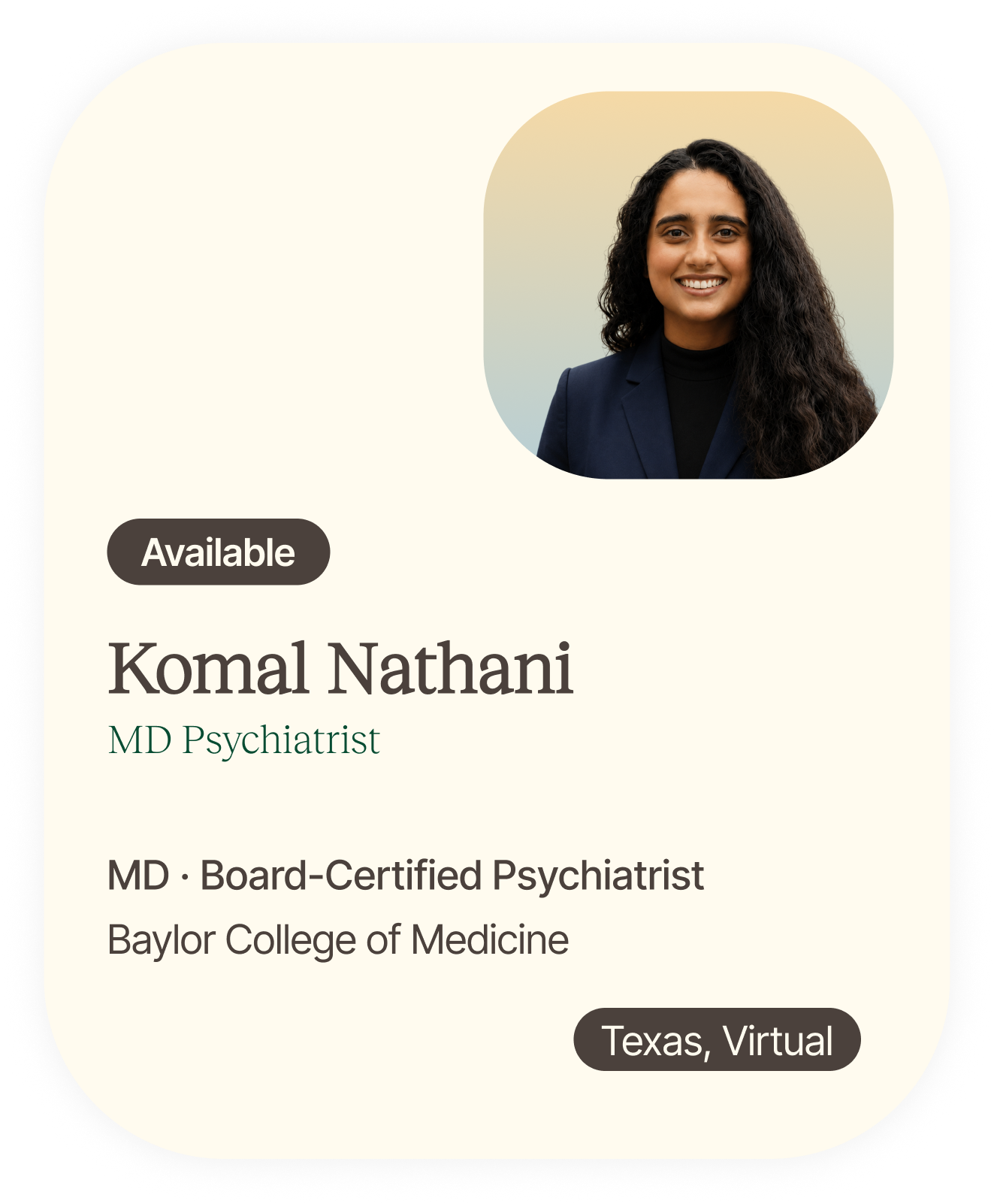
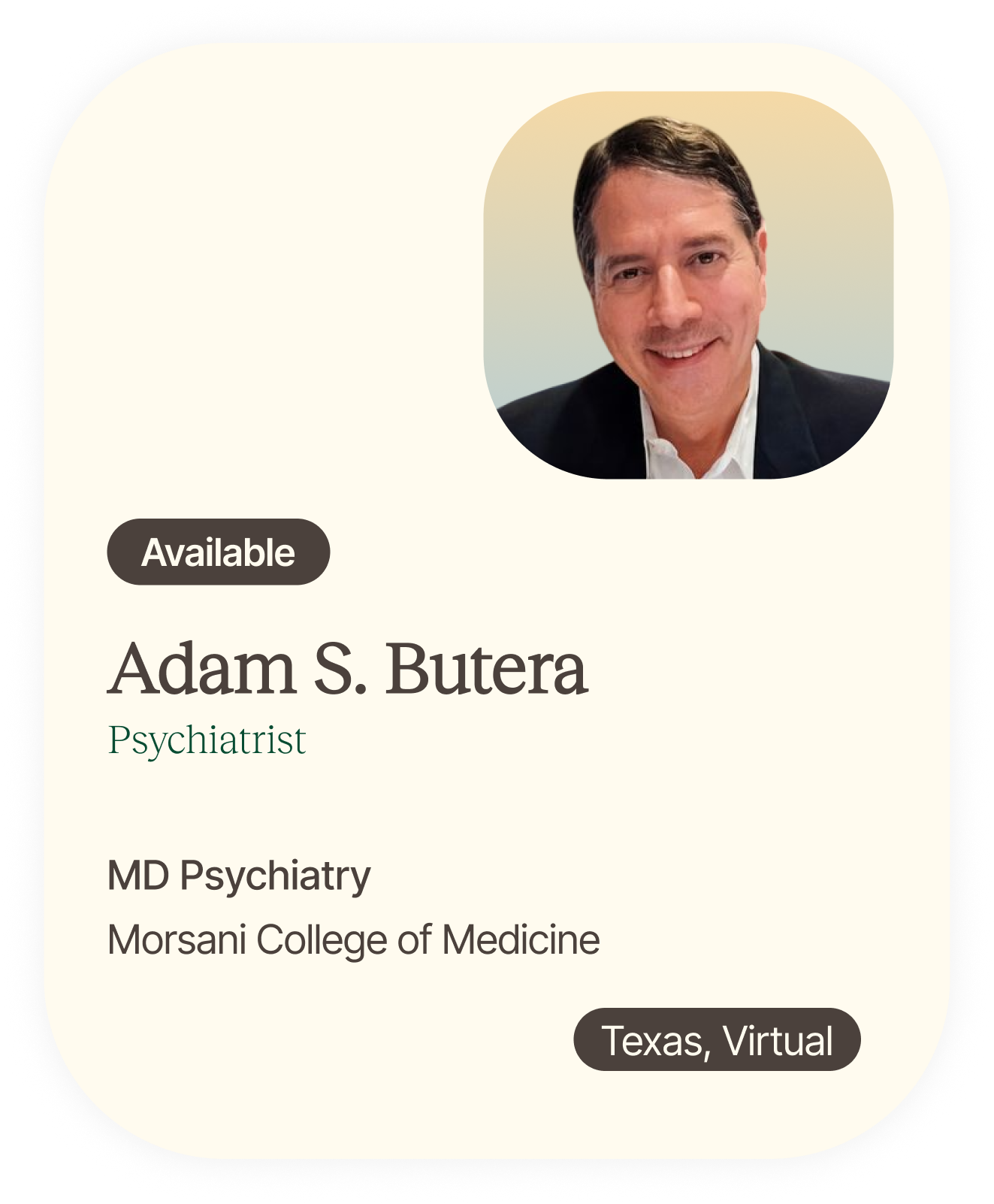
We connect you with a carefully curated network of psychiatrists vetted for clinical excellence and exceptional patient experience. With a wide range of specialties, backgrounds, and approaches, you’ll find a provider who understands your individual needs and can create a medication management plan tailored to you.
Your insurance questions, answered.
-
Klonopin (clonazepam) is FDA-approved for panic disorder and certain types of seizures. It is also used off-label for social anxiety and restless legs syndrome.
-
Klonopin has a longer half-life — its effects last 6–12 hours compared to 4–6 hours for Ativan. This makes Klonopin better suited for sustained anxiety management, while Ativan is more useful for acute situations.
-
Yes — like all benzodiazepines, Klonopin carries a risk of dependence with regular use. It is a Schedule IV controlled substance and must be used under careful medical supervision.
-
Sedation, dizziness, memory problems, and coordination issues are most common. Cognitive effects can accumulate with long-term use.
-
Long-term daily use is associated with tolerance and dependence. When long-term management is needed, your psychiatrist will weigh the benefits against the risks and explore alternatives.
-
Stopping Klonopin abruptly is dangerous and can cause seizures. Always taper slowly under your psychiatrist's supervision.
-
No — combining Klonopin with alcohol is dangerous and can cause respiratory depression. Avoid alcohol entirely.
-
Book a free consult. Our psychiatrists will assess your anxiety and determine whether Klonopin is appropriate, with a plan for safe use.