
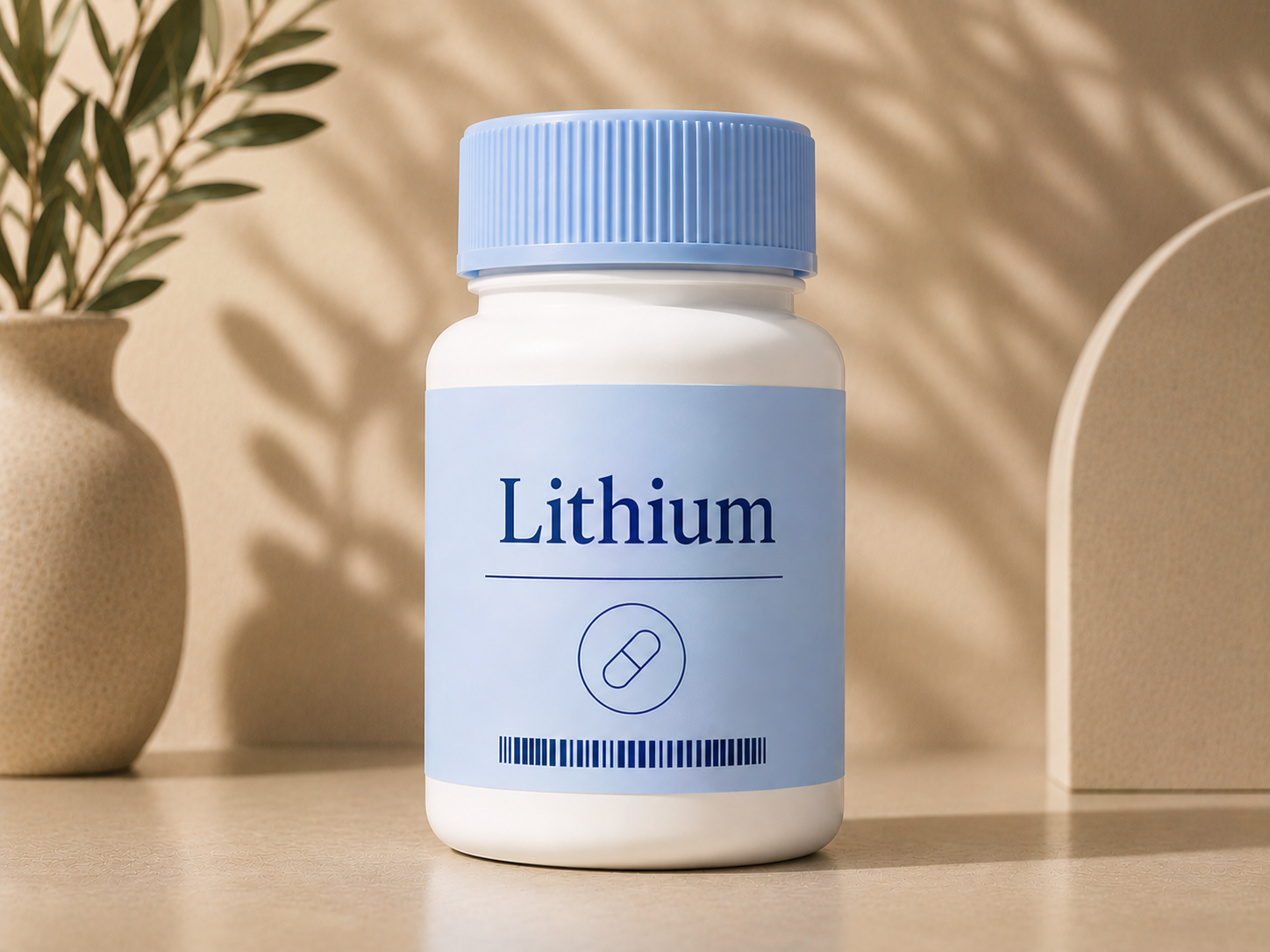
Lithium
Lithium is one of the oldest and most studied mood stabilisers in psychiatry. It is considered the gold standard for preventing both manic and depressive episodes in bipolar disorder and has strong evidence for reducing the risk of suicide.
Most students with insurance pay a $25 average copay. No insurance? Sessions start at $110.






Lithium works through multiple mechanisms in the brain that are still not fully understood, but decades of research confirm it is highly effective at reducing the frequency and severity of bipolar episodes. Blood level monitoring is essential — lithium works within a narrow therapeutic range.
How Semester Health works
Getting started at Semester health is easy and personalized.
Book a free 15-minute consult
Tell us a little about yourself — no pressure, no commitment. Just a conversation.
Meet your provider
Connect with a licensed therapist or psychiatric provider via video or in person in Texas.
Attend regular sessions
Flexible, personalized care tailored to your life and your semester.

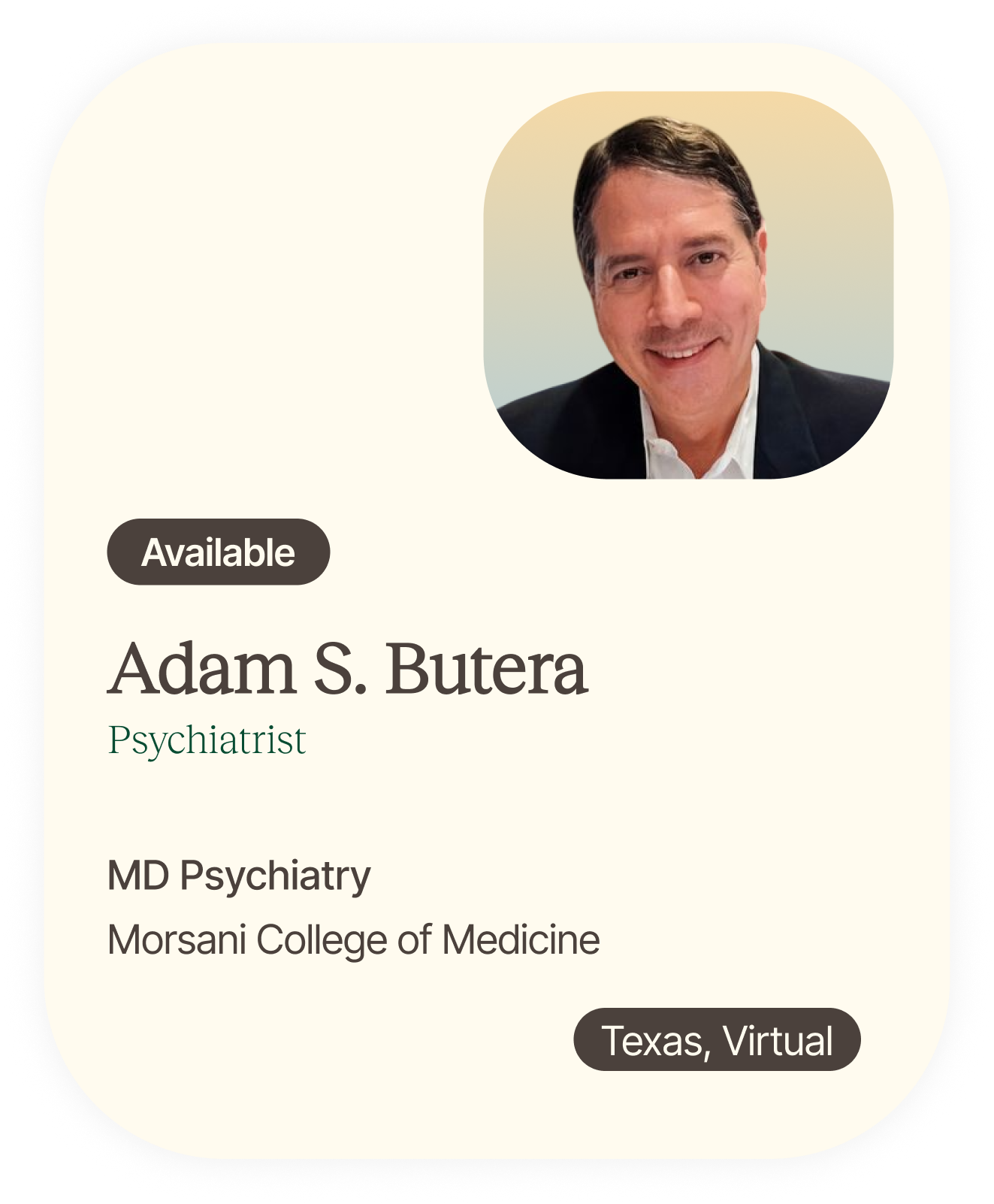
The people behind your care
We connect you with a carefully curated network of psychiatrists vetted for clinical excellence and exceptional patient experience. With a wide range of specialties, backgrounds, and approaches, you’ll find a provider who understands your individual needs and can create a medication management plan tailored to you.

Your insurance questions, answered.
-
Lithium is FDA-approved for the treatment and prevention of manic episodes in bipolar disorder. It also has strong evidence for reducing depressive episodes and lowering suicide risk.
-
Lithium is effective within a specific concentration range in the blood. Too little does not work; too much can be toxic. Regular blood tests ensure you stay in the therapeutic window safely.
-
Tremor, increased thirst and urination, weight gain, and mild cognitive dulling are the most frequent. Many side effects reduce with dose adjustment or slow-release formulations.
-
Long-term lithium use can affect kidney function in some people. Your psychiatrist will monitor kidney function with regular blood tests and will discuss risks and benefits with you.
-
Dehydration, low-sodium diets, NSAIDs (like ibuprofen), and certain blood pressure medications can raise lithium levels to dangerous ranges. Always check with your psychiatrist before adding new medications.
-
Lithium carries some risk in pregnancy, particularly in the first trimester. This requires careful discussion with your psychiatrist and OB — stopping lithium abruptly during pregnancy also carries risks.
-
For acute mania, some improvement is seen within 1–2 weeks. For long-term prevention of episodes, it may take several months to assess full effectiveness.
-
Book a free consult at Semeter Health. Our psychiatrists will assess whether lithium is the right mood stabiliser for you and set up appropriate monitoring.