
Remeron
(Mirtazapine)
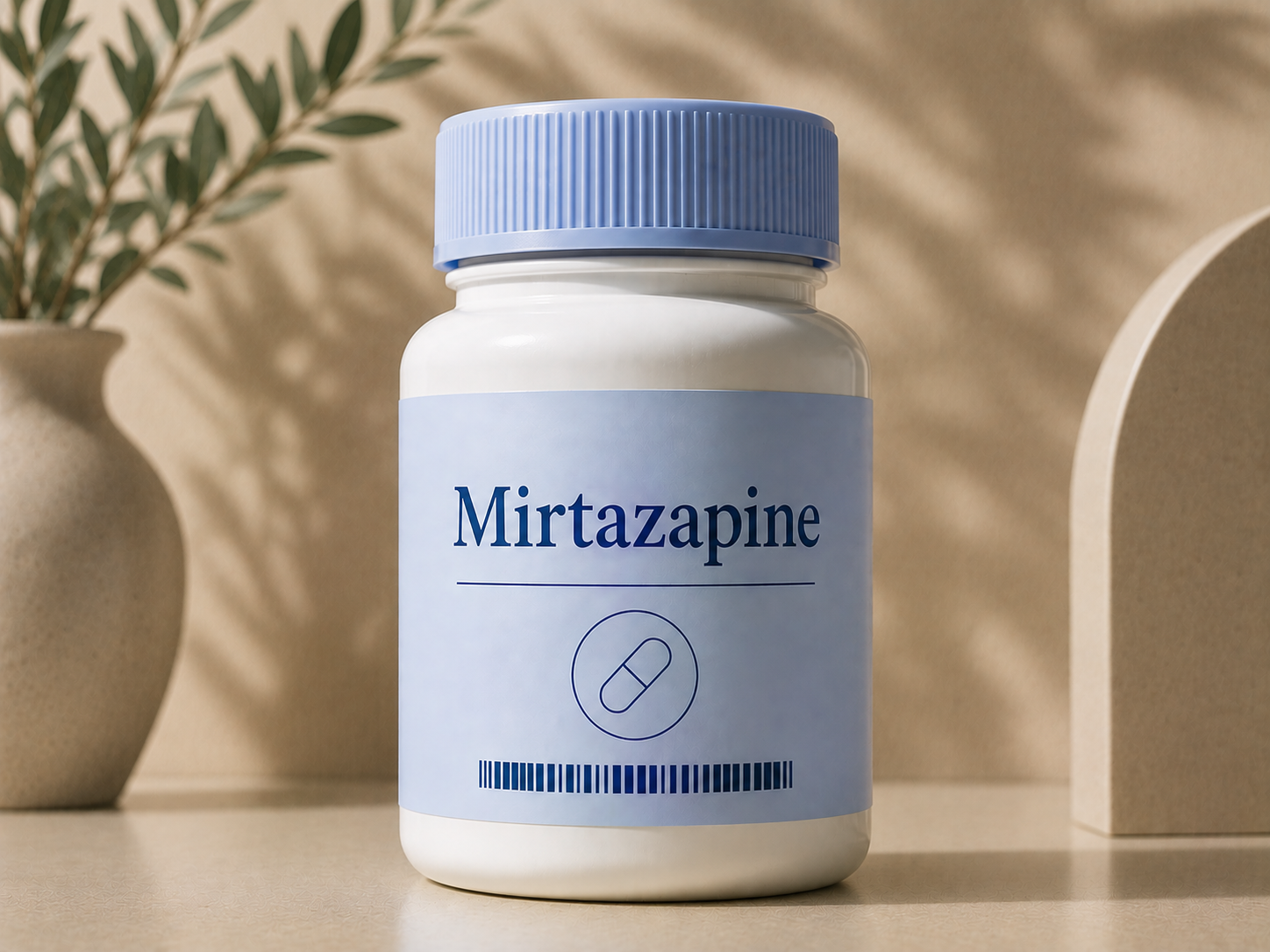
Remeron is an antidepressant with a unique mechanism that also improves sleep, stimulates appetite, and reduces nausea. It is especially helpful for people with depression accompanied by weight loss, poor sleep, or significant anxiety.
Most students with insurance pay a $25 average copay. No insurance? Sessions start at $110.






Remeron works by blocking certain receptors that normally suppress serotonin and norepinephrine release. Its sedating and appetite-stimulating effects — strongest at lower doses — make it particularly useful for people who are underweight, struggling to sleep, or experiencing nausea alongside their depression.
How Semester Health works
Getting started at Semester health is easy and personalized.
Book a free 15-minute consult
Tell us a little about yourself — no pressure, no commitment. Just a conversation.
Meet your provider
Connect with a licensed therapist or psychiatric provider via video or in person in Texas.
Attend regular sessions
Flexible, personalized care tailored to your life and your semester.

The people behind your care
We connect you with a carefully curated network of psychiatrists vetted for clinical excellence and exceptional patient experience. With a wide range of specialties, backgrounds, and approaches, you’ll find a provider who understands your individual needs and can create a medication management plan tailored to you.


Your insurance questions, answered.
-
Remeron (mirtazapine) is FDA-approved for major depression. It is also widely used off-label for anxiety, insomnia, appetite stimulation, and nausea — often in palliative or cancer care.
-
Yes — increased appetite and weight gain are common, particularly at lower doses. This can be a benefit for people who have lost weight due to depression, or a drawback for others.
-
At low doses (7.5–15mg), Remeron's sedating antihistamine effects dominate. At higher doses, norepinephrine activation partially counteracts the sedation, making it less sleep-inducing.
-
Sedation, increased appetite, weight gain, dry mouth, and constipation are most common. Most people find sedation helpful at bedtime.
-
Yes — Remeron has notable anti-anxiety properties and is often chosen when someone needs relief from both depression and significant anxiety or panic.
-
It can interact with MAOIs and certain other antidepressants. Share your full medication list with your psychiatrist.
-
Sleep and appetite improvements are often noticed within the first 1–2 weeks. Full antidepressant effects typically take 4–6 weeks.
-
Book a free consult at Semester Health. Our psychiatrists will assess whether Remeron suits your full symptom picture.